

Knit Co-ord Sets: How to Wear a Matching Set


Wear a knit co-ord as one outfit rather than two pieces that happen to match: keep everything else plain, let the set carry the whole look, and break it up with a shoe or a bag rather than another garment. Then wear the pieces separately the rest of the time, which is where the value actually is.
A matching set is the easiest outfit decision available and the one most likely to go wrong, because the line between looking composed and looking like you are wearing a tracksuit is narrower than people expect.
Why a knit set works at all
The appeal is obvious — one decision, complete outfit. What makes it work in knit specifically is that knitted fabric drapes rather than holds, so a matching top and bottom follow the body as one continuous line instead of reading as a uniform.
The same set in a stiff woven fabric would look like workwear. In knit it looks deliberate.
The four rules
1. Everything else stays quiet
The set is the outfit. Plain shoes, plain bag, one piece of jewellery at most. Adding a patterned scarf or a statement necklace fights the very thing that makes a co-ord work, which is its continuity.
2. Break the line somewhere
A completely unbroken column of the same colour can read flat. One break is enough — a contrasting shoe, a bag in a different tone, or a visible base layer at the neck.
Not two breaks. One.
3. Get the proportion right
If the top is relaxed, the bottom should be narrower, or vice versa. Both loose reads as pyjamas; both fitted reads as activewear. The contrast is what makes it look considered.
4. Mind the shoe
This is where most co-ord outfits are decided. A trainer pushes the whole thing toward loungewear. A flat sandal, a loafer or a low heel pulls it the other way immediately, with no other change.


The part people forget: wearing it apart
A co-ord bought only to be worn as a set is an expensive single outfit. Bought properly, it is two garments that also happen to match.
- The top with denim. Immediately reads as a separate rather than half of something.
- The trousers with a plain knit. A contrasting top makes the trousers the focus.
- The top under a jacket, where nobody can tell it belongs to a set at all.
- The trousers with a shirt, which is the most formal version of either piece.
Before buying, it is worth asking whether each piece works alone. If only the set works, you are buying one outfit at the price of two garments.
When a set is genuinely the right choice
| Situation | Why it works |
|---|---|
| Travel | One decision, no creasing, and the pieces split into separates for the rest of the trip. |
| Video calls | Reads as fully dressed on camera while feeling like nothing. |
| Long days | Knitted fabric moves with the body for eight hours without digging in. |
| Days with several settings | Changing the shoe shifts the register without changing clothes. |
| When you cannot decide | The proportion is already resolved. That is the whole point. |
Our sets are knitted in 100% cotton, fully fashioned so each panel is knitted to shape rather than cut. That is what keeps a knit trouser from bagging at the knee — the usual failure point in knitted bottoms, and the reason many knit sets end up as loungewear regardless of intent. See the knitwear collection.
The tracksuit problem
Worth naming directly, since it is what stops people buying knit sets.
The difference between a co-ord and a tracksuit is not the garments, it is four details: gauge, fit, shoe, and finish. Fine gauge rather than heavy. Some contrast between top and bottom in fit. A proper shoe rather than a trainer. And ribbed trims that still recover rather than stretched elastic.
Get those right and the same two garments read as an outfit. Get them wrong and no amount of styling rescues it.
Frequently asked questions
How do you style a knit co-ord set?
Treat it as one outfit rather than two matching pieces. Keep shoes, bag and jewellery plain so the set carries the look, and introduce exactly one break in the colour line, usually through the shoe. Vary the proportion so one piece is relaxed and the other narrower.
How do you wear a matching set without looking like a tracksuit?
Four details decide it: choose fine gauge rather than heavy, vary the fit between top and bottom rather than having both loose, wear a proper shoe instead of a trainer, and make sure the ribbed trims still recover. The garments matter less than those choices.
Can you wear co-ord pieces separately?
Yes, and you should. The top worn with denim or under a jacket reads as a separate, and the trousers pair with a contrasting knit or a shirt. Before buying a set, check that each piece works alone, otherwise you are paying for two garments and getting one outfit.
Are knit sets good for travel?
Particularly good. They resist creasing, provide a complete outfit from one decision, split into separates for the rest of a trip, and stay comfortable across the temperature swings of a travel day.
What shoes go with a knit co-ord?
A flat sandal, loafer or low heel. The shoe is the single detail that decides whether a co-ord reads as an outfit or as loungewear, and a trainer will push it toward the latter regardless of everything else.
Do knit trousers lose their shape at the knee?
Poorly made ones do. Knitted fabric stretches with wear, so the knee is the usual failure point. Panels knitted to shape rather than cut from yardage, with well-tensioned yarn, hold their line far better and recover after a rest between wears.
The short version
Let the set be the outfit. One break in the line, one proper shoe, and vary the proportion. Then wear the pieces apart most of the time, because that is where the value is.
More on layering, knitwear for travel, or building a capsule.
Read more
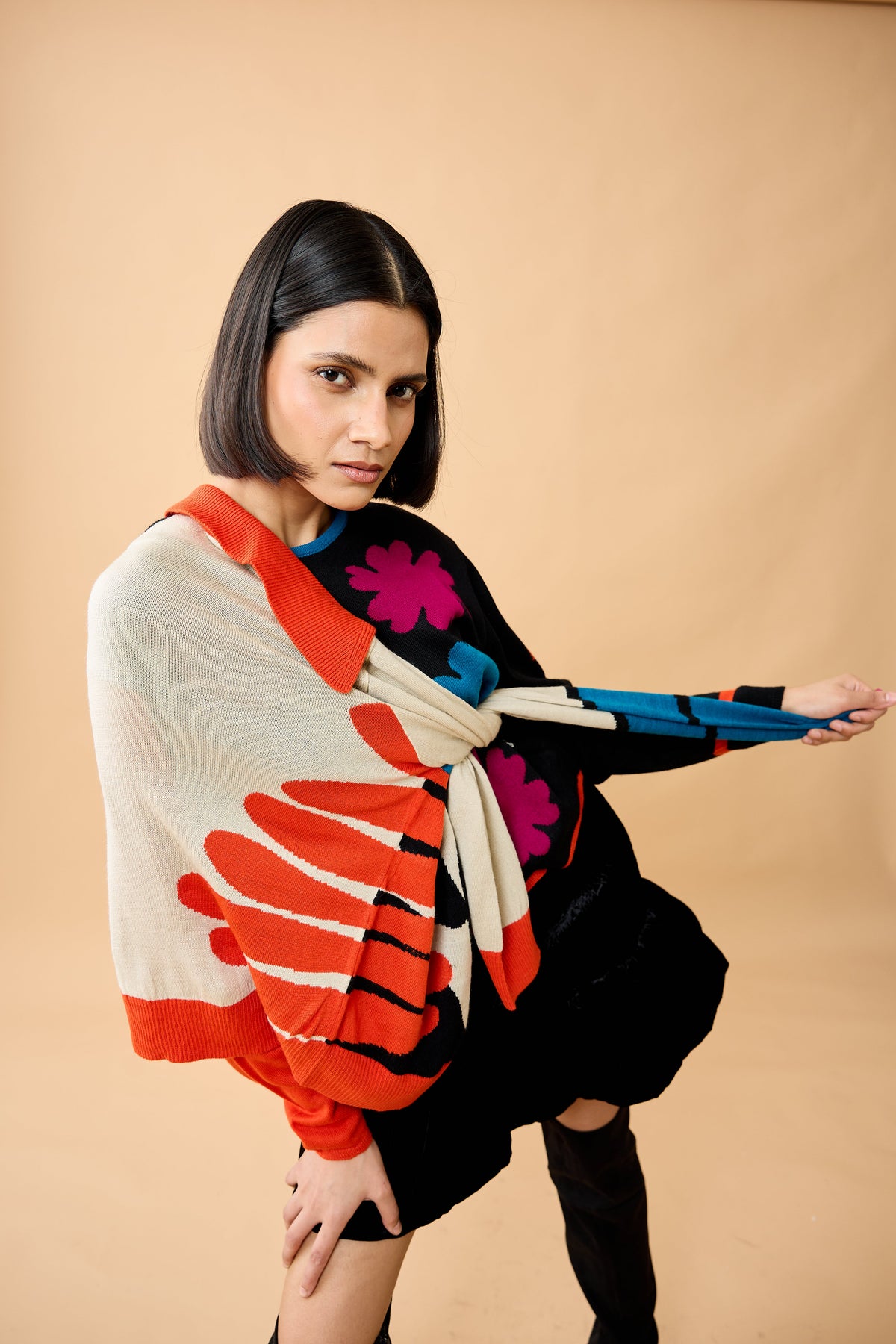
A January day starts near 7°C and reaches 20 by afternoon. Nothing worn at 8am is right at 2pm — which is the actual problem, and what almost no winter clothing here is designed for.
Read more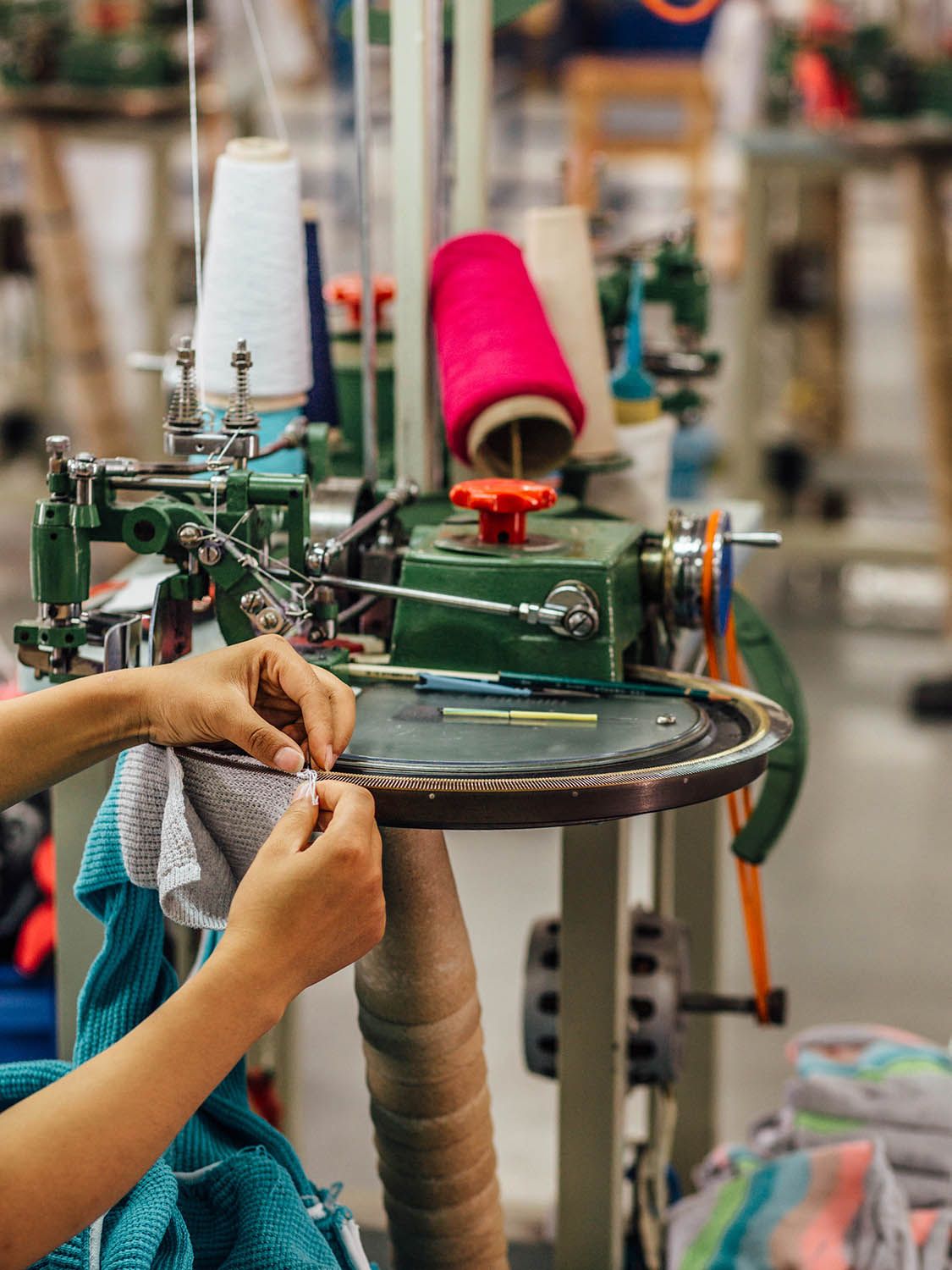
Why Your Sweater Loses Its Shape
Loops are designed to move, which is what makes a knit comfortable and what makes it vulnerable. The four causes, which two you can prevent, and how to get the shape back.
Read more

